Fabio Valerio Massoli

Senior Staff Engineer / Manager, Qualcomm AI Research, Amsterdam

I study how language models can reason with less: fewer tokens, fewer layers, less memory, without losing accuracy. I lead a team working on reinforcement learning for post-training, looped (recurrent-depth) transformers, and the information theory behind both.

Portrait of Fabio Valerio Massoli

Research agenda

How short can a chain of thought be?

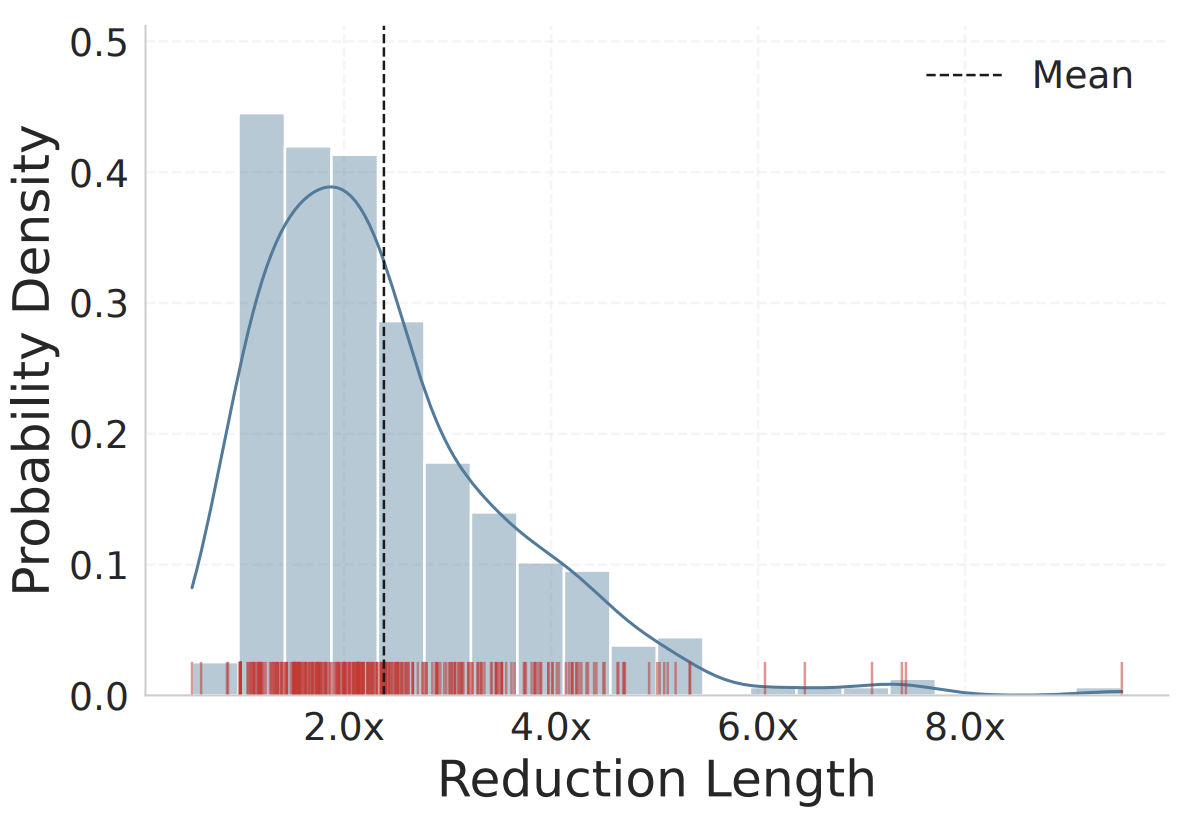
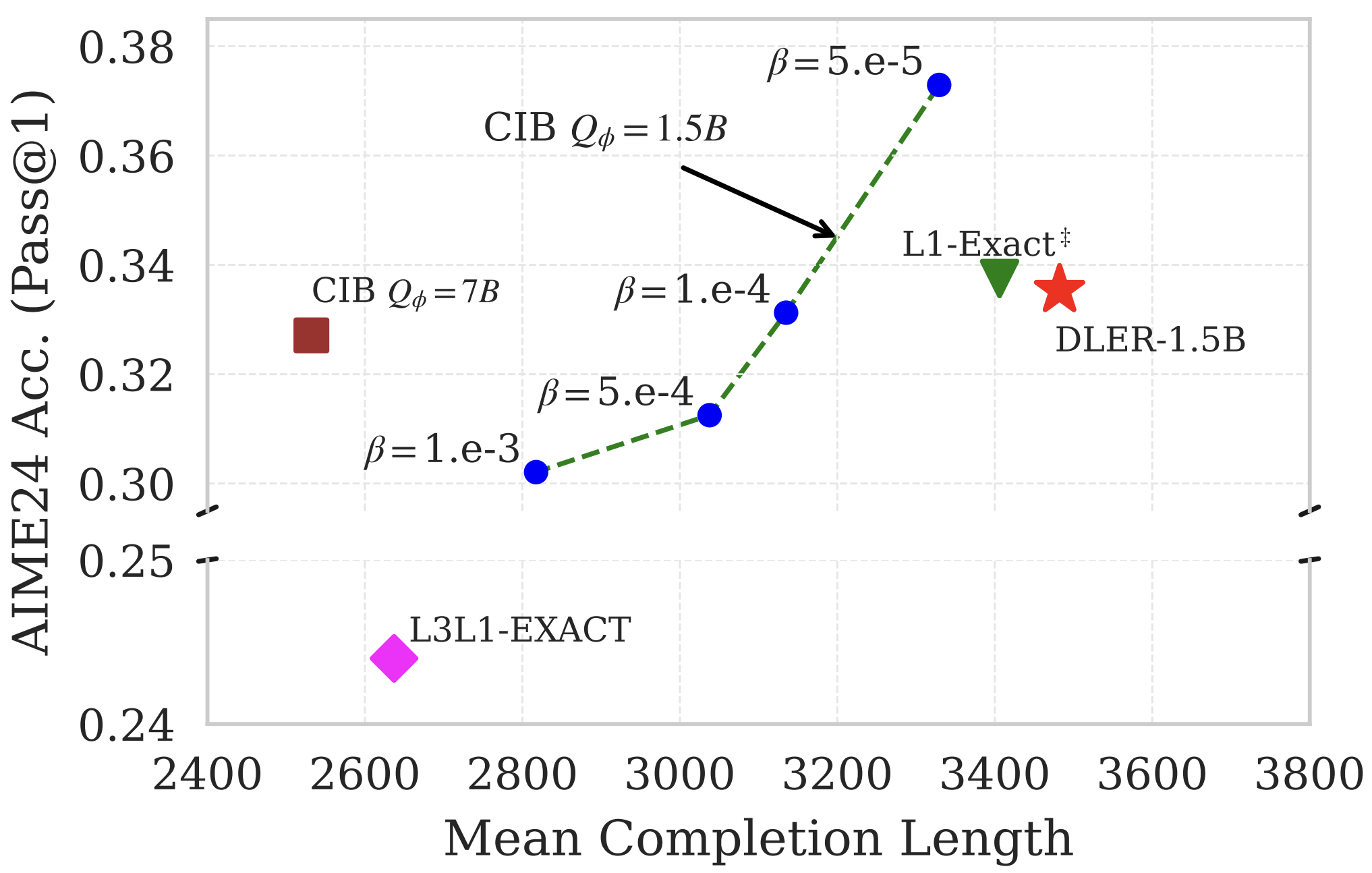
A reasoning trace should carry only what the answer needs and the prompt does not already give. I turn that idea into RL objectives that cut reasoning length without cutting accuracy.

Reasoning as CompressionEfficient Reasoning on the Edge

How deep should a model think, token by token?

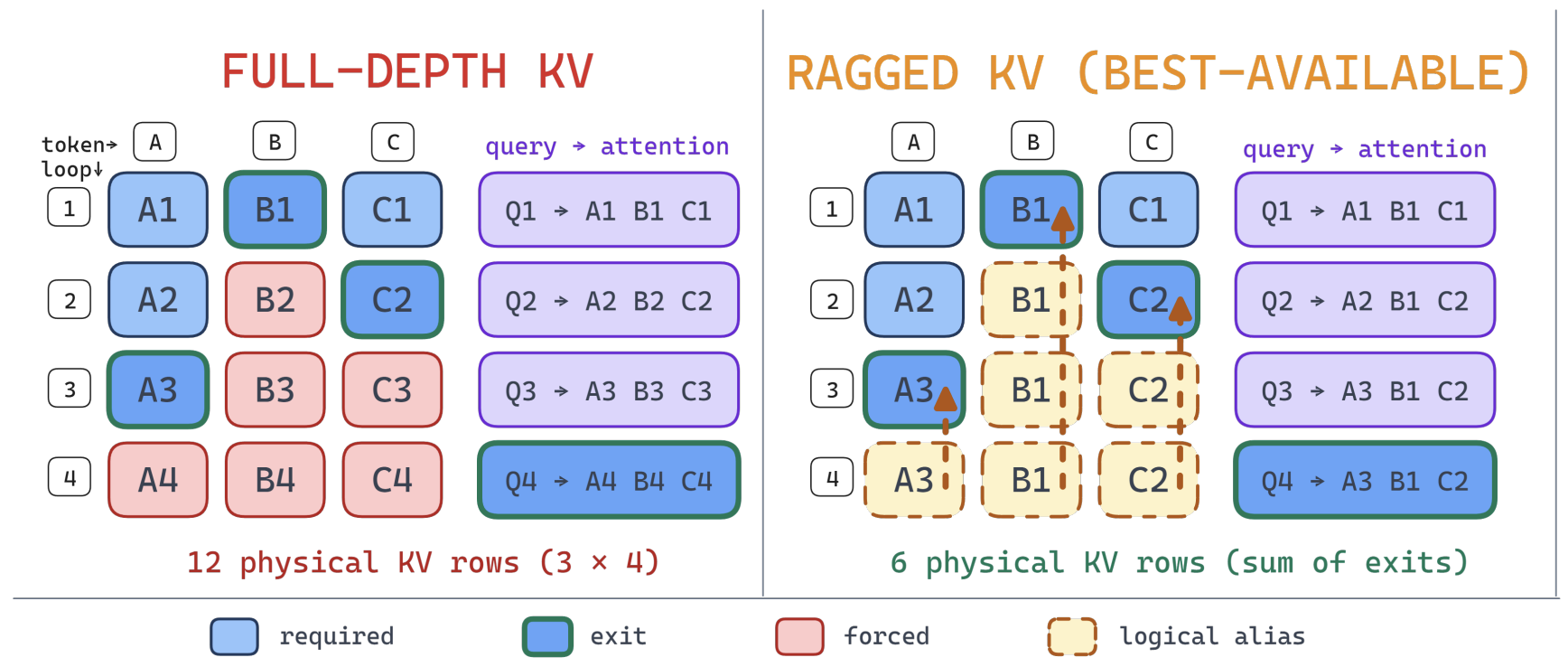
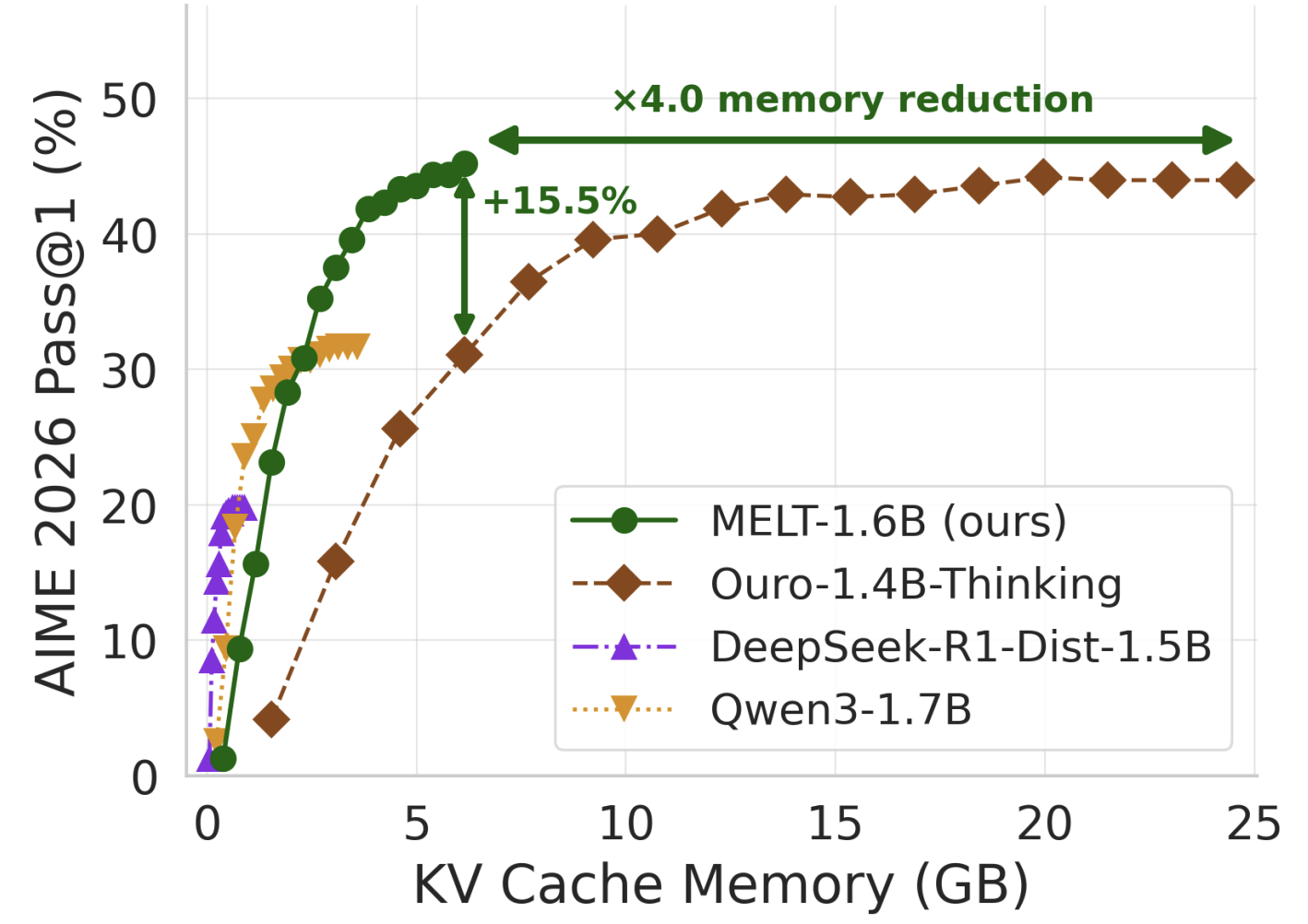
Looped transformers reuse one block many times. I make that depth adaptive per token and cheap in memory, so a model spends compute only where it helps.

Enabling Dynamic Computation in Looped LMsMemory-Efficient Looped TransformerWhen Do Stored Facts Become Available in Looped Transformers?

What should we reward during post-training?

Training recipes and rewards that teach models when to reason, how much, and how to stay on track over long, multi-turn tasks.

LUMINA

What can a model know about its own uncertainty?

Information-theoretic bounds and objectives, from conformal prediction to compressed sensing.

An Information Theoretic Perspective on Conformal PredictionFundamental bounds on efficiency-confidence trade-off for transductive conformal prediction

Recent publications

See all 13 papers

NeurIPS 2026

Reasoning as Compression: Unifying Budget Forcing via the Conditional Information Bottleneck

Fabio Valerio Massoli, Andrey Kuzmin, Arash Behboodi

Treats chain-of-thought as lossy compression. A conditional information bottleneck yields an RL objective that removes redundant reasoning tokens and keeps the ones that matter, with length penalties as a special case.

arXiv 2026

Enabling Dynamic Computation in Looped LMs

Aayush Mishra, Arnau Padrés Masdemont, Victor Conchello Vendrell, Jordi Ros Giralt, Arash Behboodi, Fabio Valerio Massoli

Per-token adaptive depth for looped language models: easy tokens leave the loop early, hard tokens keep iterating.

White paper + NeurIPS 2025 demo 2026

Efficient Reasoning on the Edge

Yelysei Bondarenko, Thomas Hehn, Rob Hesselink, Romain Lepert, Fabio Valerio Massoli, Evgeny Mironov, Leyla Mirvakhabova, Tribhuvanesh Orekondy, Spyridon Stasis, Andrey Kuzmin, Anna Kuzina, Markus Nagel, Ankita Nayak, Corrado Rainone, Ork de Rooij, Paul N Whatmough, Arash Behboodi, Babak Ehteshami Bejnordi

Reasoning LLMs running within on-device budgets. Core contributor: RL pipelines that shorten chains of thought by up to 5x.

News

Writing

All posts